.png)

4 Warning Signs of Spontaneous False Ceiling Collapse
Catching false ceilings before they fall
Last Thursday marks just one more, among many other cases in the past six months, of spontaneous ceiling collapses. Enough to make you think, “Is mine next?” The good news is that these things don’t just happen; it’s stress that’s built up over time and there are usually warning signs. Here are four main signs to look out for before you call in someone to fix up your false ceiling.
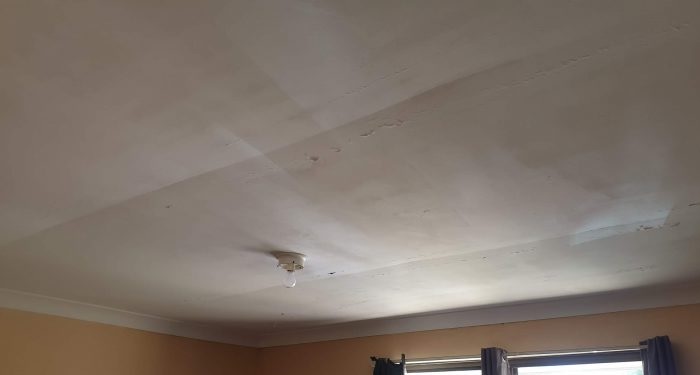
Photo Credit : Homehow
Sagging
Nothing good ever comes out of sagging. Saggy pants, saggy fats, saggy b… you get the idea. It’s no different for false ceilings. A small inverted bump or “pillow” is the first sign of ceiling strain. Act fast – get it inspected immediately!
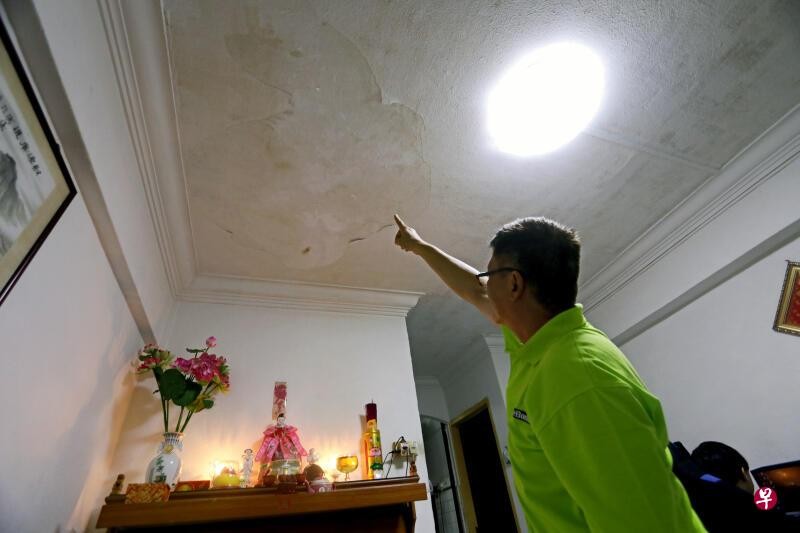
Photo Credit : Asia One
Leaks
Unless you’ve got a habit of shooting water guns up into the air, there shouldn’t be ANY water on the ceiling. Ever. Plaster ceilings happily drink up water. And if you’ve ever picked up a bucket of water, you know that water is HEAVY. False ceilings and excess weight are not friends. Act fast – get it inspected immediately!
Cracking Sounds
Hear creaking, cracking, and popping? It’s just the building settling, you say? I COULD be the building just getting old. But never assume so. They could be signs of an imminent collapse. Act fast – get it inspected immediately!
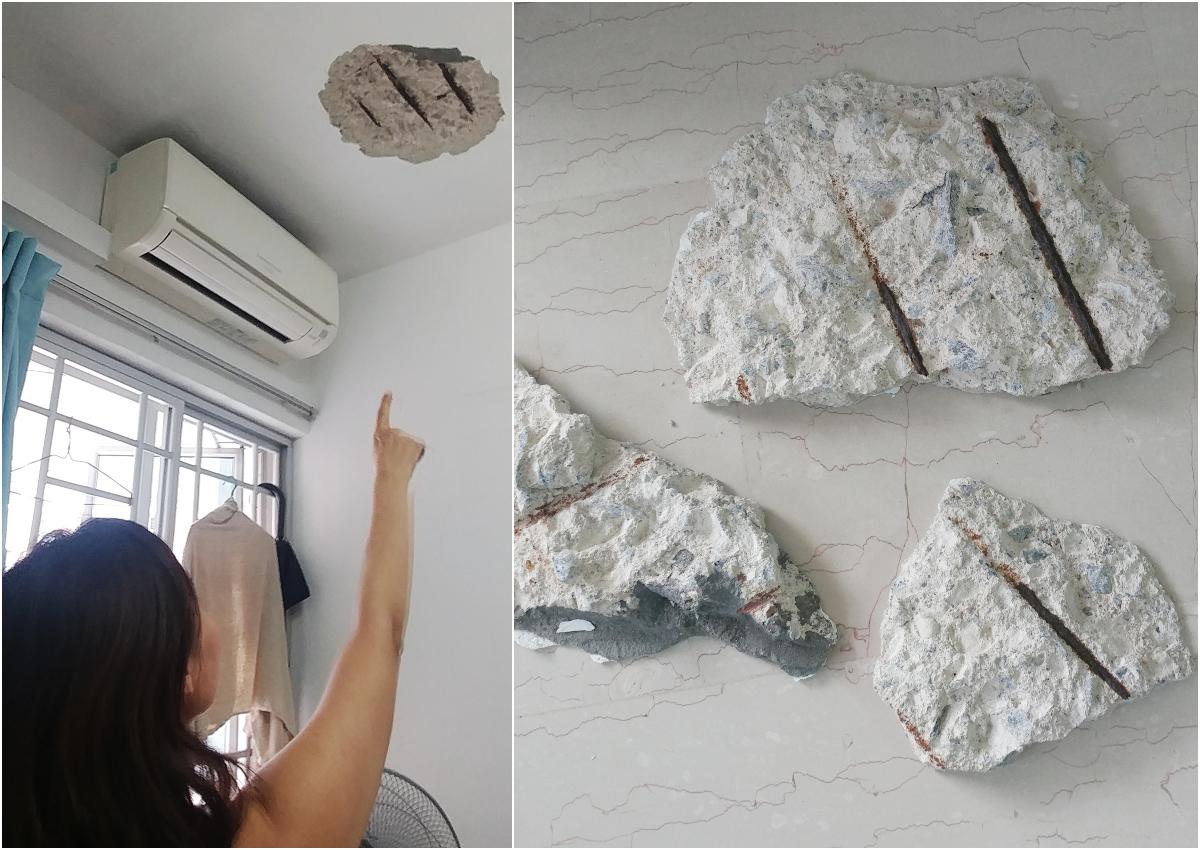
Photo Credit : Asia One
Visual Cracking
The thing that’s worse than cracking sounds are cracks you can see. No, they aren’t just cracked paint. They’re a sign that something is straining the structure itself and, therefore, the ceiling. Act fast – get it inspected immediately!
I see one, so what do I do?
If you haven’t already got the idea, ACT FAST – GET IT INSPECTED IMMEDIATELY. The faster potential problems are identified, the faster they can be remedied, and you’ll never have a case of a false floor.
Found none but still concerned? Grab a measuring tape and spirit level. Measure the height where the ceiling meets the wall. Then measure the height in the middle of the room. A difference of 12mm or more could indicate the something has come loose. Using a spirit level over areas of the ceiling will confirm any unevenness in the ceiling.
Either way, call in the experts. Call your contractor. And if you’re not satisfied with their assessment and recommendation, you could call in a qualified building inspector. Just do it quick.
Banner Photo Credit : Today Online
Kenny Tan,
SIXiDES Editorial Team
Share
Related Tags
More Articles about House Hacks

A guide to using window curtains, drapes, shades, and blinds
Windows. Portals that let you see out. And lets the sun, and prying eyes, in. The latter two are good enough reasons to cover those windows up ASAP. But how, you ask? Brick up the windows, you say? Don’t be silly. With curtains, drapes, shades, and blinds, of course!

9 Mistakes to Avoid with Your First Home
No homeowner has the benefit of hindsight when it comes to renovating their very first home.

7 Red Flags that Scream "Designer Danger!"
The thing about renovating homes is that, unless you’re in the industry, everyone’s a novice. Admit it – you can count all your renovations with only one hand. With that little experience, with a dash of inattentiveness, you are ripe for the picking by scammers.

5 reasons to meet multiple interior designers for your dream home
Finding an interior designer is like finding a soulmate – it will change your life, for better or worse. Only one will involve a wedding, but both involve a long-term commitment, significant investment, and chance of constant headaches.

5 factors to consider when buying a mattress
Mattresses are a big deal – they affect our quality of sleep and, thus, quality of life. No surprise.

Breaking the mould on living with mould
Mould is a fact of life. If there’s a building, there’s mould. Nothing can be done. Move on. But should we really? The short answer: No. The long answer? Nooooooooooooooooooooooooo.